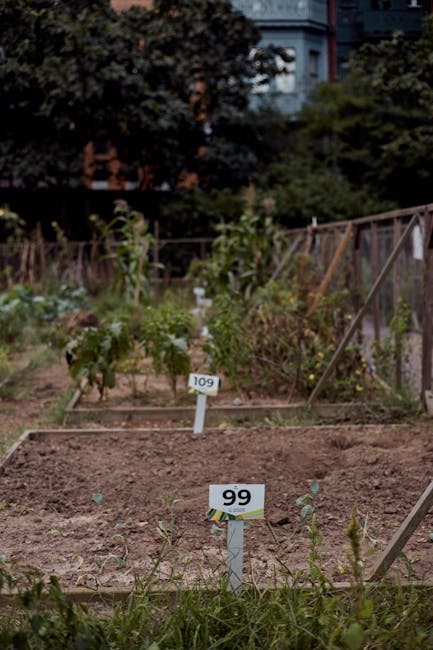
Gardeners for Dalston Eastern Curve Garden style wildflower plots

If you love the loose, layered feel of Eastern Curve Garden, you are probably after more than a tidy flower bed. You want movement, colour, insects, texture, and that slightly untamed look that still feels deliberate. That is exactly where Gardeners for Dalston Eastern Curve Garden style wildflower plots comes in. The aim is not to force a meadow into a neat little box, but to shape a planting scheme that feels natural, resilient, and genuinely suited to a London plot.
In practice, that means understanding the site, choosing the right mix of native and pollinator-friendly plants, managing the soil, and keeping the design loose without letting it slide into neglect. Sounds simple. It rarely is. But when it works, the result can be quietly brilliant: long seasonal interest, more wildlife, and a space that feels alive even on a grey Tuesday morning in Dalston.
Below, you will find a practical, no-nonsense guide to how this style works, what it needs, and how to get it right without overcomplicating the process. If you are comparing options, planning a redesign, or just trying to understand whether a wildflower plot is right for your garden, this should help.
Why Gardeners for Dalston Eastern Curve Garden style wildflower plots Matters
The Eastern Curve Garden style is appealing because it sits somewhere between designed and wild. It does not chase the rigid formality of a clipped border, and it does not rely on high-maintenance fuss either. Instead, it celebrates ecological planting: layers of grasses, perennials, annual wildflowers, and self-seeding plants that shift through the seasons.
For Dalston gardens, that matters for a few practical reasons. Space is often limited. Soil can be patchy or compacted. Shade from neighbouring buildings may come and go. You may also want a garden that supports bees, hoverflies, and other pollinators without demanding constant attention. A wildflower plot handles those realities better than many highly ornamental schemes, provided it is planned properly.
There is also a deeper reason people connect with this style. It feels human. Not perfect, not sterile, not trying too hard. You get soft edges, seed heads, movement in the wind, and that pleasant little sense that nature has been invited in rather than controlled at every turn. To be fair, that is a big part of the charm.
If you are exploring wider garden improvements alongside your planting plan, it can help to look at related support such as landscape gardening and ongoing garden maintenance. Those services often sit well beside a wildflower project because the design and the aftercare need to work together, not fight each other.
How Gardeners for Dalston Eastern Curve Garden style wildflower plots Works
At its core, this approach works by mimicking the structure of a healthy natural planting community. A typical plot is built from a few simple layers:
- Structural plants such as ornamental grasses, upright perennials, or meadow grasses that give the plot shape.
- Flowering plants that bring seasonal colour and support pollinators.
- Self-seeders that fill gaps over time and create that relaxed, evolving look.
- Ground cover or lower plants that help knit the scheme together and reduce bare patches.
The process usually starts with site assessment. That sounds a bit formal, but really it means asking a few simple questions: how much sun does the area get, what is the soil like, where does rain collect, and how much time will you realistically spend on it? These answers shape everything that follows.
Next comes the planting style itself. Eastern Curve-inspired plots often use a mix of native wildflowers and hardy garden-friendly species. The best choices are the ones that can cope with London conditions, light competition, and a bit of seasonal stress. A plot in full sun can be generous and colourful. A partly shaded plot may need more careful plant selection, with an emphasis on airy textures rather than a dense wildflower meadow formula that simply will not thrive there.
In the real world, this style is less about throwing seed down and hoping for the best. It is about balancing establishment, texture, and long-term management. The plot should look spontaneous, but the planning behind it is quite intentional. That is the sweet spot.
If your wider outdoor space needs a reset first, a period of clearance may be helpful before planting begins. In some gardens, a clean starting point is essential, which is why garden clearance can be a useful first step before any meadow-style design is installed.
Key Benefits and Practical Advantages
This style of planting offers more than just a pretty scene. Done well, it brings a number of practical benefits that matter in real gardens, especially in urban settings.
- Longer seasonal interest: you are not relying on a short burst of bloom. Seed heads, foliage shapes, and changing textures keep the plot interesting for months.
- Better wildlife support: pollinators, beneficial insects, and birds tend to do well where planting is varied and allowed to mature.
- Lower water demand once established: many meadow and wildflower species cope better with dry spells than thirsty bedding schemes.
- More natural resilience: if one species struggles, others can fill the visual gap. The whole plot does not collapse because one plant had a bad week.
- A softer visual transition: these plots can make hard edges, fences, and paving feel less severe.
There is also a very practical benefit that people sometimes overlook: this style can hide a lot of awkwardness. An uneven corner, a narrow strip of ground, a patch that never quite looks right with standard planting, all of that can be turned into something intentional and attractive.
And yes, it can reduce the feeling that you are constantly trying to keep up. A wildflower plot is not maintenance-free, let us be clear about that, but it is often easier to live with than a border that demands precise deadheading and weekly perfection. If you want the broader garden kept in rhythm, support from lawn mowing and hedge trimming can keep the surrounding structure crisp so the wildflower area feels deliberate rather than messy.
| Approach | Main strength | Main drawback | Best fit |
|---|---|---|---|
| Traditional bedding | Immediate colour and a tidy finish | Higher watering and replacement needs | Formal, short-term displays |
| Monoculture grass lawn | Simple visual order | Low biodiversity and seasonal sameness | Play space or open circulation |
| Eastern Curve-style wildflower plot | Texture, habitat value, and natural movement | Needs thoughtful establishment and seasonal management | Ecological, relaxed, character-led gardens |
Who This Is For and When It Makes Sense
This approach suits a few different types of garden owner. You may be one of them if any of these sound familiar:
- You want a garden that feels greener and less rigid without looking neglected.
- You care about pollinators and want more biodiversity in a small urban space.
- You have a tricky patch of ground that never seems to suit standard planting.
- You like planting that changes through the year instead of staying static.
- You want a garden that pairs well with modern hard landscaping or reclaimed materials.
It is especially sensible if your outdoor space sits between useful and decorative. Maybe you use the garden for sitting out, maybe for a child's play area, maybe for container growing, or maybe just to have somewhere calm after work. A wildflower plot can anchor the space without taking over every inch.
That said, it is not always the best option. If you need a highly formal front garden, a very durable play surface, or a planting scheme with near-zero seasonal change, then another approach may suit better. A good gardener should say that plainly rather than pushing the same solution everywhere. Bit refreshing, really.
For larger redesigns, you may want to combine meadow-style planting with broader landscaping work so the hard surfaces, drainage, and plant zones all support each other. That often makes the difference between a nice idea and a garden that actually settles in well.
Step-by-Step Guidance
Here is the practical sequence that usually gives the best results. No drama, just a sensible order of operations.
- Assess the site properly. Look at light levels, drainage, soil compaction, and the garden's existing structure. Watch the space at different times of day. Morning sun and late afternoon shade are not the same thing, and the plants will know.
- Decide the level of wildness you actually want. Some people want a lightly naturalistic border. Others want a true meadow feel. Those are different outcomes, and the maintenance plan changes with them.
- Clear the area cleanly. Remove persistent weeds, old turf where necessary, debris, and any plants that will compete too hard. If the area is messy or heavily overgrown, start with garden clearance so the new planting is not fighting the old one from day one.
- Improve the soil only as much as the design needs. Wildflower plots do not always want rich soil. In fact, overfeeding can favour leafy growth over flowers. The trick is to match the soil condition to the planting style.
- Choose a balanced plant palette. Mix flowering species with grasses and some structure plants. Avoid making every plant a star performer. The ensemble matters more than any one plant.
- Plant in drifts, not dots. Repeating groups creates rhythm. Random scattering can look accidental in the wrong way.
- Water in and monitor closely during establishment. New planting needs attention for a while, especially in dry spells. The first season matters a lot.
- Adjust after the first flush of growth. Some plants will do brilliantly, others will sulk, and a few may simply decide the spot is not for them. That is normal.
One small but important note: the first year is about establishment, not perfection. If it looks a little sparse at first, do not panic. A lot of good wildflower planting takes time to reveal its shape. That is part of the process, not a failure.
Expert Tips for Better Results
A few practical details make a big difference. These are the bits people often skip, then wonder why the plot feels thin or unruly a few months later.
- Keep a strong edge. A clean border, path, or mow strip helps the wildflower area look intentional. Without that frame, even beautiful planting can seem a bit lost.
- Use a seasonal mix. Early flowers, summer colour, and late seed heads all matter. A plot that only looks good for three weeks is not much of a plot.
- Leave some structure through winter. Do not rush to cut everything down. Standing stems can look lovely in frost, and wildlife often benefits from the cover.
- Check drainage before planting. Waterlogged soil changes the whole game. If the site stays wet, species choice and soil preparation need to reflect that.
- Plan for maintenance access. You need a way to reach the plot without trampling it. A simple stepping route or border access point makes life easier.
Here is one small truth from experience: the best-looking naturalistic plots are usually the most carefully edited. Not every plant gets to stay. Not every self-seeder is a gift. A bit of judgement goes a long way.
If the surrounding garden includes shrubs, boundary planting, or tall growth that might shade the plot, it can be worth considering tree lopping and removal where appropriate and safe. Light levels drive plant performance more than people sometimes realise.
Common Mistakes to Avoid
Wildflower plots are often sold as easy. In reality, they are only easy if the basics are respected. Here are the mistakes that cause most disappointment.
- Choosing the wrong site. Deep shade, poor drainage, or aggressive root competition can make the design struggle from the start.
- Expecting instant meadow density. Seed and young planting need time. Rushing to judge too early leads to unnecessary changes.
- Overfeeding the soil. Rich soil often encourages dominant grasses and weak flowering performance.
- Mixing too many styles. A wildflower plot beside a very formal layout can work, but only if there is a clear visual transition. Otherwise the garden can feel confused.
- Neglecting aftercare. Even naturalistic planting needs watering, selective weeding, and seasonal cutback.
- Letting self-seeders take over. Some spontaneity is good. Too much and the original design vanishes.
A common scenario goes like this: someone installs a lovely-looking mix, then leaves it entirely alone for a full season. By late summer the strongest plants have won, the weaker ones have disappeared, and the whole thing starts to read as patchy rather than layered. It is fixable, but it is avoidable too.
For plot health over the long term, routine support from garden maintenance can prevent a lot of these issues from building up in the first place.
Tools, Resources and Recommendations
You do not need a huge kit to manage an Eastern Curve-style plot, but a few tools make the work neater and less tiring.
- Sturdy hand tools: trowel, border fork, and secateurs for selective edits.
- Lightweight rake: useful for clearing thatch, leaves, and cut stems without ripping into new growth.
- Watering can or hose with gentle attachment: especially important during establishment.
- Sharp edging tool: helpful for keeping the wildflower area visually contained.
- Mulch or low-nutrient soil improver where appropriate: used carefully, not generously for the sake of it.
On the planning side, a few recommendations are worth keeping in mind:
- Prefer species suited to your light conditions rather than chasing a fashionable plant list.
- Keep notes across the seasons. A quick sketch or a few phone photos can be enough.
- Look at how the plot reads from the window, the path, and the seating area. Views matter.
- Think about maintenance access before planting, not after.
For readers comparing service packages or planning phased work, it can help to review services overview and pricing and quotes information so you can align the planting plan with your budget and timeline. If sustainability is a priority, the company's recycling and sustainability approach is also worth factoring into your decision.
Law, Compliance, Standards, or Best Practice
For most private gardens, this topic is less about formal law and more about good practice, neighbour awareness, and safe working. Still, there are a few sensible points to keep in mind.
If the work involves trees, large pruning, or access near boundaries, it is wise to understand property boundaries and any practical responsibilities before cutting. For safety, bigger jobs should be handled carefully, with the right equipment and insurance cover in place. If contractors are involved, ask about their public liability cover and how they manage site risk. It is not being fussy. It is basic common sense.
When a wildflower plot is near paths, steps, or seating areas, maintain clear access routes so the planting does not become a trip hazard. Loose cuttings, overgrown edges, or hidden changes in level can be inconvenient at best and unsafe at worst.
Best practice also means being realistic about noise, waste, and disposal. Cut stems, turf, and cleared debris should be handled cleanly, with an eye on reuse or recycling where possible. That fits naturally with the kind of garden this is trying to be anyway: thoughtful, low-waste, and not overly wasteful with resources.
For service providers, transparent working practices matter too. It helps to understand insurance and safety, health and safety policy, and the company's terms and conditions before work begins. If you want to know more about the business behind the service, about us is a sensible place to look.
Options, Methods, or Comparison Table
There is more than one way to create a wildflower-inspired plot. The right method depends on the site, budget, and how quickly you want the result to mature.
| Method | Pros | Cons | Best used when |
|---|---|---|---|
| Seeded wildflower area | Cost-effective, flexible, good for larger areas | Can be slower to establish and more variable | You want a natural meadow look and can wait through the first season |
| Plug-planted meadow | More controlled, quicker structure, easier to place key species | More labour and usually higher upfront cost | You want a clearer design from the start |
| Mixed naturalistic border | Strong design control, easier to integrate with paths and seating | Less meadow-like, requires editing to avoid over-formality | You want the look of a wildflower plot but with a tidier garden frame |
In many Dalston gardens, the mixed approach works best. It gives you the looseness of a meadow, but without asking the whole garden to behave like a full-scale nature reserve. That would be a bit much for most back gardens, frankly.
Case Study or Real-World Example
Consider a compact urban garden with a narrow rear strip, patchy turf, and a sunny section that gets strong afternoon light. The owner wants a softer, more wildlife-friendly space but does not want to lose the ability to sit out and move through the garden easily.
The solution starts with removal of tired lawn sections and an honest look at the soil. The sunny area becomes a meadow-style planting zone with grasses, airy perennials, and a few longer-season flowering plants. The edges are sharpened with a narrow path and a neat border line so the planting feels framed. A small seating spot remains intact, and the whole garden is easier to read from the back door.
What changed most was not just the planting list. It was the balance. The eye now has somewhere to rest, and the wildflower area has room to breathe. The owner gets movement, insects, and seasonal change, but without the feeling that the garden has run off by itself.
That kind of result is typical when the design is handled thoughtfully. Not every plot needs to be large. Small spaces can be excellent for this style because every plant matters a little more, and the design can feel especially intimate on a summer evening when the seed heads start to catch the light.
Practical Checklist
Use this checklist before starting or refreshing a wildflower plot. Simple, but useful.
- Confirm the amount of sun and shade across the day.
- Check whether drainage is free-moving or slow.
- Decide whether the goal is meadow-like, border-like, or a blend of both.
- Clear out weeds, debris, and unwanted growth.
- Choose plants that match the soil and light conditions.
- Plan a tidy edge or mow strip to contain the look.
- Allow for seasonal watering during establishment.
- Set a cutback and edit schedule before the plot gets overgrown.
- Leave space for access and maintenance.
- Review safety, insurance, and site expectations if hiring help.
Expert summary: the best Eastern Curve-style wildflower plots are not the wildest ones; they are the ones with the best structure underneath. Good soil judgement, clear edges, and seasonal care do most of the heavy lifting.
Get a free quote today and see how much you can save.
Conclusion
Gardeners for Dalston Eastern Curve Garden style wildflower plots are about more than choosing a pretty planting mix. They are about building a garden that feels alive, flexible, and rooted in place. When the site is assessed properly, the plants are chosen with care, and the maintenance is kept sensible rather than obsessive, the result can be quietly excellent.
The beauty of this approach is that it does not need perfection to succeed. It needs attention, restraint, and a bit of trust in the seasonal rhythm of the garden. If you give it those things, it will usually give back more than you expected.
And honestly, that is one of the nicest things a garden can do.
Frequently Asked Questions
What are Eastern Curve Garden style wildflower plots?
They are naturalistic planting areas inspired by the layered, relaxed feel of Eastern Curve Garden, usually combining wildflowers, grasses, and structural perennials to create a soft, wildlife-friendly look.
Are wildflower plots low maintenance?
They are usually lower maintenance than formal bedding, but they are not maintenance-free. They still need establishment care, occasional weeding, seasonal cutback, and some editing to keep them healthy.
Do wildflower plots work in small Dalston gardens?
Yes, they can work very well in compact urban spaces. In fact, small gardens often benefit from this style because it adds movement and depth without needing a lot of square footage.
Can a wildflower plot be created on poor soil?
Sometimes, yes. Poor or lean soil can actually suit many wildflower species better than rich soil. The key is choosing plants that match the conditions rather than trying to force a one-size-fits-all mix.
How long does it take for a wildflower plot to look established?
That depends on whether you seed or use plugs, but most plots need at least one growing season to settle in properly. Some continue to improve over two or three seasons as the planting matures.
What is the biggest mistake people make with this style?
The most common mistake is expecting the planting to look full and balanced too quickly. Another big one is using the wrong plants for the light or soil conditions. Both can make the plot underperform.
Can I mix a wildflower plot with paving or seating areas?
Absolutely. In fact, strong hard edges often help the planting look more deliberate. A path, patio, or seating area can frame the wildflower zone nicely and make the whole garden easier to use.
Will this style attract more bees and butterflies?
Usually it will, especially if you include a varied planting palette with staggered bloom times. The more diverse and seasonally layered the planting, the better the habitat value tends to be.
How often should a wildflower plot be cut back?
There is no single rule that suits every site, but many plots benefit from a planned annual cutback and occasional selective trims through the growing season. The right timing depends on the planting mix and the look you want to keep.
Should I clear the whole area before planting?
In many cases, yes. A clean start helps the new planting establish without heavy competition from old weeds, turf, or dead material. If the area is tangled or overgrown, a proper clearance step is usually worth it.
Is this style suitable near fences or tall trees?
It can be, but shade and root competition need to be considered carefully. Trees or tall boundary planting can reduce light and change moisture levels, so the plant choice may need to be adjusted.
How do I keep a wildflower plot from looking messy?
Use a clean edge, repeat plants in groups, and edit aggressively enough to keep the design readable. A tidy surrounding border or path also helps, because the wildflower area then looks intentional rather than unmanaged.
How do I get started with a project like this?
Start with a site assessment, think about the level of wildness you want, and decide whether the area needs clearance or broader landscaping first. From there, a well-planned planting scheme is much easier to build and maintain.