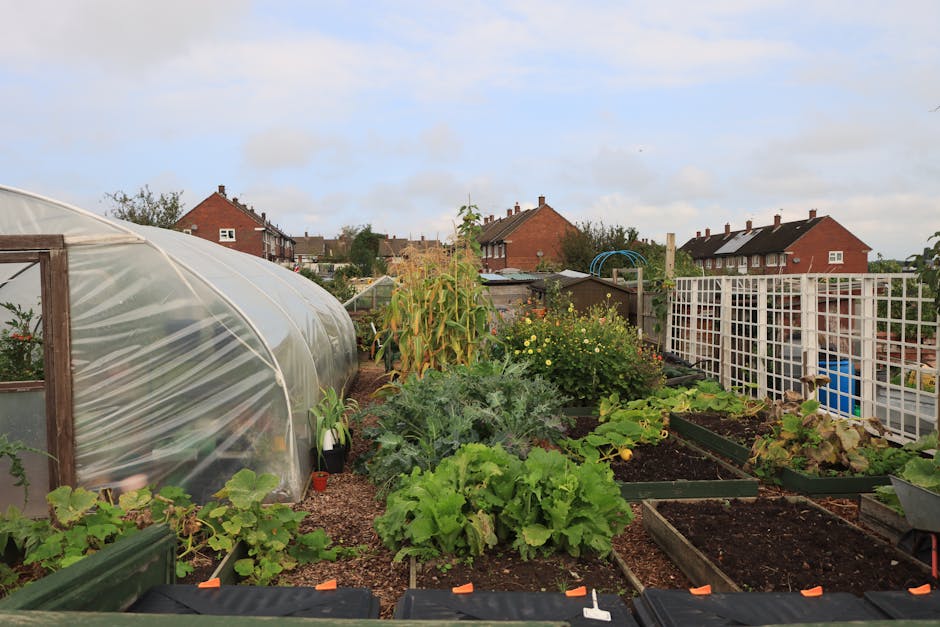
Gardeners for Ridley Road Market flats E8 garden spruce: a practical guide to smarter outdoor refreshes
If you live in or manage flats near Ridley Road Market and the outdoor space is looking a bit tired, you are not alone. A courtyard that has lost its shape, a balcony border full of leggy plants, or a shared patch that never quite feels inviting can make the whole place seem smaller and more stressful than it should. That is exactly where Gardeners for Ridley Road Market flats E8 garden spruce comes in: a sensible, local-minded way to bring order, colour, and day-to-day ease back into a compact urban garden.
Truth be told, a garden spruce is not about turning a flat block into a glossy show garden overnight. It is about making the space look cared for, feel usable, and stay manageable. Done well, even a small E8 outdoor area can feel calmer, cleaner, and more welcoming by the end of a single visit. And yes, that can make a bigger difference than people expect.
This guide breaks down what a spruce-up usually involves, who benefits most, where the common pain points are, and how to choose the right mix of maintenance, clearance, trimming, and light landscaping. You will also find a checklist, a comparison table, and practical tips for getting better results without overcomplicating the job.
Why Gardeners for Ridley Road Market flats E8 garden spruce Matters
In flat developments, outdoor space does a lot of quiet work. It affects first impressions, how residents use the building, and even how people feel when they come home after a long day. A messy shared planter, overgrown hedge, or patchy lawn can make a communal area feel neglected. A tidy, well-planned spruce-up does the opposite. It signals care.
Ridley Road and the wider E8 area are lively, dense, and full of movement. That means gardens around flats often face very ordinary urban pressures: foot traffic, shade from nearby buildings, wind tunnels, dropped litter, tired soil, and plants that simply do not get the room they need. Let's face it, a "garden" in this setting is often doing three jobs at once - visual appeal, practical use, and softening the hard edges of the block.
A proper spruce matters because it balances those needs. It is not just about cutting things back. It is about improving structure, removing clutter, refreshing planting, and keeping the space in a state that does not become a burden for residents or landlords.
If you are comparing wider service options, it can help to look at a provider's broader approach to services overview, especially where garden maintenance, clearance, and light landscaping are all part of the same job. In compact residential settings, that joined-up thinking tends to produce better results than isolated one-off fixes.
How Gardeners for Ridley Road Market flats E8 garden spruce Works
A garden spruce for flats is usually a staged process. The exact mix depends on the size of the space, the condition of the planting, and whether the area is private, communal, or somewhere in between. The best results usually come from starting with a quick assessment, then tackling the space in a logical order rather than trying to do everything at once.
In practice, the work often begins with a walk-through. What is actually there? What is healthy? What is overgrown? What is blocking light or making access awkward? Once that is clear, the gardener can separate the job into fast wins and longer-term improvements. That is the difference between a cosmetic tidy and a proper spruce.
Typical tasks may include:
- removing dead leaves, weeds, and loose debris
- cutting back shrubs and small hedges
- strimming or mowing thin grass areas where appropriate
- refreshing borders with mulch or new planting
- cleaning hard surfaces and edge lines
- checking drainage issues or compacted soil
- making the layout easier to maintain next time
For spaces that have been neglected for a while, a one-off tidy may need to be paired with garden clearance. That can be especially useful where debris, self-seeded growth, broken pots, or old planting material have built up over time. Once the clutter is gone, the actual shape of the space becomes visible again. That sounds basic, but honestly, it changes everything.
After the initial spruce, many flats benefit from a lightweight upkeep plan. Regular visits through garden maintenance can stop the same problems from returning, which is often the cheaper and less frustrating route in the long run.
Key Benefits and Practical Advantages
The obvious benefit is that the space looks better. But the real value is broader than appearance. A well-managed outdoor area can improve how residents use shared space, reduce complaints, and make everyday maintenance more predictable. Small improvements stack up.
Here are the main advantages people usually notice first:
- Better appearance: Neat edges, healthier planting, and clearer paths make the space feel cared for.
- Improved usability: When a garden is less cluttered, people can actually sit, walk, or store items without it feeling awkward.
- Lower maintenance pressure: A practical spruce often removes the small problems that turn into bigger ones later.
- Stronger resident satisfaction: Shared spaces can be a source of pride rather than a point of friction.
- Better planting health: Cutting back overcrowded growth often gives the surviving plants more light and airflow.
- Safer access: Fewer trip hazards and less overgrowth around entrances is always welcome.
There is also a mental side to all of this. A tidy outdoor space outside your flat can feel like a little pressure release valve. You open the curtain in the morning and see green, not chaos. That matters more than most people admit.
If the space includes climbing plants, dense hedging, or branches close to windows, services such as hedge trimming or tree lopping and removal may also be part of the solution. The point is not to strip the garden bare. The point is to make it healthier and easier to live with.
Who This Is For and When It Makes Sense
This kind of service suits a few different people, and the needs are not always the same. A resident might want a better view from their windows. A landlord might want to keep the block looking professional. A managing agent may simply need the shared outdoor area brought under control before it becomes a recurring issue. All of those are valid reasons.
It tends to make most sense when:
- the garden or communal area looks messy but not completely beyond saving
- residents want a quick visual reset before guests, viewings, or seasonal use
- plants are healthy in parts, but the overall layout is cluttered
- the space needs a refresh rather than a full redesign
- you need a practical solution for a small or awkward urban garden
It is also useful after a period of neglect. Maybe nobody had time in winter. Maybe the last contractor only did a partial job. Maybe a windier month scattered leaves everywhere and now the corners look grubby. Happens all the time. In those moments, a spruce-up is less about ambition and more about getting back to a baseline that feels respectable again.
If the garden is structurally fine but visually tired, a spruce is usually the right move. If access is blocked, rubbish has built up, or planting is largely dead, then a broader reset may be needed first. That is where the difference between maintenance and clearance becomes important.
Step-by-Step Guidance
A sensible spruce-up follows a sequence. Skipping around tends to waste time and leaves the result looking patchy. Here is the general order that works best in most E8 flat settings.
- Assess the space honestly. Identify what needs cutting, what needs removing, and what can be kept.
- Clear surface debris first. Leaves, broken stems, litter, and loose material should go before finer work begins.
- Deal with overgrowth. Trim hedges, cut back shrubs, and reduce bulky growth that blocks light or access.
- Refresh the ground level. Weed borders, straighten edges, and improve tired soil where planting needs support.
- Rebalance the planting. Replace dead or weak plants with something suited to shade, wind, and container life if needed.
- Check hard landscaping. Paths, edging, planters, decking, and steps should be clean and safe enough to use comfortably.
- Set a maintenance rhythm. A good spruce should make future upkeep simpler, not more complicated.
That final step is the one people forget. A spruce that looks great for two weeks and then unravels is not much of a win. If you can reduce future effort by half, that is a real result.
Where the site includes timber features, raised boards, or seating, decking services may be useful for bringing worn surfaces back into line with the rest of the outdoor area. It is often the detail work that makes the whole place feel finished.
Expert Tips for Better Results
A good garden spruce is part judgement, part restraint. A common mistake is thinking every plant needs cutting hard back. Not true. Some plants respond well to a firm trim; others sulk for months if you overdo it. The trick is knowing which is which, and that usually comes from experience, not guesswork.
Here are a few practical tips that genuinely help:
- Work with the light: In many E8 flat gardens, shade is a bigger issue than neglect. Choose plants that will cope with that reality.
- Use repetition carefully: Repeating a few resilient plant types often looks cleaner than trying to cram in too many varieties.
- Keep edges crisp: Clean lines around borders and paths make even a small space look intentional.
- Think about watering access: In shared or upper-level settings, awkward watering can quietly kill good planting plans.
- Mind the bins and storage: If practical clutter is visible from the garden, tackle it as part of the spruce.
A small aside: if a plant looks exhausted, it probably is. There is only so much compost can do. You know the type - one sad stem, one heroic leaf, and the rest is basically a plant-shaped memory.
Another useful move is to combine the spruce with a light programme of lawn mowing where small grass areas exist. Short, even grass and well-trimmed edges instantly sharpen the look of the whole space. It is one of those unglamorous jobs that does an outsized amount of visual work.
Common Mistakes to Avoid
Most bad outcomes are not dramatic. They are just a series of small oversights that add up. The good news is they are easy to avoid once you know what to watch for.
- Over-cutting shrubs: A harsh trim can leave the garden looking thin and stressed rather than neat.
- Ignoring access routes: If people cannot reach the area safely, the garden will not be used properly.
- Choosing plants for looks only: Decorative planting that fails in shade or wind becomes expensive clutter.
- Leaving the soil untreated: A surface tidy without any root-zone improvement often leads to quick decline.
- Mixing too many styles: Small spaces can look messy if the design lacks a single simple thread.
- Forgetting ongoing care: A one-off spruce is useful, but only if someone keeps an eye on it afterwards.
There is a bit of discipline involved, to be fair. But that is what makes the result feel calm rather than chaotic. If the space is meant to serve multiple flats, consistency matters even more.
Where waste and cuttings are involved, ask whether the contractor follows sensible sorting and disposal habits. A tidy garden should not create a hidden mess elsewhere. For that reason, some clients like to understand a provider's approach to recycling and sustainability before work begins.
Tools, Resources and Recommendations
You do not need a shed full of kit to spruce up a flat garden, but the right tools make the work cleaner, safer, and far less frustrating. Basic tools often include shears, secateurs, a rake, a brush, a mower or strimmer for small grassed areas, and bags or bins for waste collection. For more awkward or overgrown areas, professional-grade equipment is often worth it.
Useful practical recommendations include:
- hand tools for detail work around planters and edging
- light pruning tools for shrubs and soft stems
- appropriate cutting equipment for dense growth
- compost or mulch for tired beds where planting is staying in place
- durable gloves and eye protection when debris is likely
If you are planning a more ambitious refresh, it may help to think in terms of maintenance plus design. That is where landscape gardening or broader landscaping can come into play. The first is about keeping the space working; the second is about reshaping it so it works better over time. Not the same thing, and mixing them up can lead to a muddle.
For residents and landlords who prefer a more managed arrangement, asking about the provider's team background and service approach can also be worthwhile. A page like about us often gives a clearer sense of how a business works and what sort of projects it is set up for.
Law, Compliance, Standards and Best Practice
Garden sprucing in a residential flat setting usually does not need anything dramatic in the way of formal compliance, but that does not mean standards should be loose. In the UK, sensible practice around safety, access, waste handling, and neighbour consideration matters a great deal, especially where shared areas are involved.
A few principles are worth keeping in mind:
- Safety first: Tools, ladders, and cutting equipment should be used carefully and by competent people.
- Clear communication: Residents should know when work is happening, particularly in shared spaces.
- Waste handling: Green waste and mixed rubbish should be dealt with properly rather than left behind.
- Respect for boundaries: Private gardens, communal areas, and landlord responsibilities should not get blurred.
- Insurance awareness: Anyone commissioning work should be comfortable that the contractor carries suitable cover.
For that reason, it is sensible to review a provider's insurance and safety information and, if needed, their health and safety policy. Those pages are not just box-ticking. They are a clue about how seriously a business handles risk.
If any service arrangement involves pricing, scope, or payment terms, it is also worth reading the relevant terms and conditions and checking the provider's payment and security approach. Simple, sensible stuff, but people often skip it until there is a problem. Better not to, obviously.
Options, Methods, or Comparison Table
Not every flat garden needs the same approach. Some spaces just need a tidy. Others need repeated upkeep. A few need a more serious reset. Here is a straightforward way to compare the main options.
| Approach | Best for | Typical focus | When it works best |
|---|---|---|---|
| One-off spruce-up | Spaces that look tired but are basically healthy | Cleaning, cutting back, edging, light tidying | Before guests, lettings, or seasonal use |
| Ongoing maintenance | Shared gardens that need regular care | Recurring mowing, trimming, weeding, and checks | When you want to prevent decline rather than chase it |
| Clearance-led reset | Overgrown or neglected spaces | Removal of debris, dead growth, and problem areas | When the garden needs to be brought back to a blanker starting point |
| Light landscaping | Spaces with recurring layout issues | Improved structure, planting, borders, or surfacing | When the current layout keeps causing maintenance headaches |
In many real situations, the best answer is not a single method but a sensible combination. For example, a courtyard might need clearance first, then maintenance, then a bit of landscaping to stop the same corners becoming unmanageable again. That sequence is boring, but it works.
Case Study or Real-World Example
Here is a realistic example from the kind of flat setting this topic usually refers to. A small shared garden behind an E8 block had become messy over a wet season. The space was not completely neglected, but it had drifted into that awkward middle ground: too untidy to enjoy, not bad enough to spark urgent action, and full of little issues nobody wanted to own.
The first visit focused on clearing leaves, removing dead stems, lifting debris from borders, and cutting back shrubs that had grown across a narrow path. A few overhanging branches were reduced carefully so the area felt lighter. The grassed section was brought back into shape, and the planters were refreshed with simpler, more resilient planting. Nothing dramatic. No grand redesign. Just good, disciplined work.
What changed most was the feeling of the space. Residents stopped walking past it as if it were a problem. They started using it again. Morning light came through more cleanly. The path felt wider. A bench that had been half-hidden by growth suddenly looked like something worth sitting on. Small thing, big effect.
That is the real value of a garden spruce in this context. It does not need to be flashy. It needs to be credible, tidy, and easy to live with. That is enough, and often more than enough.
Practical Checklist
Use this before you book a visit or plan a spruce-up yourself:
- Identify whether the area is private, shared, or mixed-use
- List the main problems: weeds, clutter, dead growth, poor access, tired soil, or patchy grass
- Decide whether you need tidying, clearance, maintenance, or a light redesign
- Check whether hedges, shrubs, trees, or decking need separate attention
- Think about how much ongoing upkeep the space can realistically receive
- Choose plants that suit shade, wind, and container conditions if relevant
- Confirm safe access for residents and contractors
- Ask about waste removal and recycling of green material
- Review insurance, safety, and payment terms before work begins
- Plan the next maintenance visit before the garden starts slipping again
Quick expert summary: for Ridley Road Market flats and similar E8 settings, the best garden spruce is the one that looks good today and is still easy to manage next month. That balance matters more than any single feature.
Get a free quote today and see how much you can save.
Conclusion
Garden sprucing for flats near Ridley Road Market is really about making small urban outdoor spaces work properly. When a garden is tight on room, light, and time, a thoughtful tidy can do more than a dramatic redesign ever could. It can bring back comfort, improve appearance, and make shared living feel a bit more human. And honestly, that is worth a lot.
If you are deciding how far to go, start with the basics: clear the clutter, trim what is overgrown, improve the planting where needed, and set up a realistic maintenance rhythm. Add landscaping only where it genuinely helps. Keep the work grounded. Keep it practical. That is how a flat garden stops being a source of nagging irritation and becomes a quiet asset instead.
There is something satisfying about that moment when a space finally settles into itself. It feels calmer. It sounds calmer too, somehow. And for a city garden, that is a very good sign.
Frequently Asked Questions
What does garden spruce mean for flats near Ridley Road Market?
It usually means a practical tidy-up and refresh of a small or shared outdoor space. That can include clearing debris, trimming back plants, improving edges, and making the area look cared for without turning it into a major redesign.
Is a garden spruce the same as full landscaping?
No. A spruce is usually lighter and faster, focused on tidying and improving what is already there. Landscaping goes further and may involve reshaping beds, changing surfaces, or altering the layout.
How often should a flat garden in E8 be maintained?
It depends on the planting and use, but many urban gardens benefit from regular attention rather than waiting for things to get out of hand. A small monthly or seasonal rhythm often works better than a once-in-a-while rescue mission.
What if the garden is badly overgrown?
If the space has moved beyond a tidy, a clearance-led approach is usually the better start. Once the excess growth and debris are removed, the garden can be assessed properly and brought back into shape.
Can a small courtyard still be made to look good?
Absolutely. Small spaces often respond really well to clean edges, controlled planting, and a simple layout. In fact, because there is less room to clutter things up, the gains can be very noticeable.
Do I need regular garden maintenance after a spruce?
Usually yes, if you want the result to last. A one-off spruce can transform the space, but maintenance keeps it from slipping back. That is especially useful in shared flats where nobody wants the same job repeated from scratch.
What should I ask before booking a gardener?
Ask what is included, how waste will be handled, whether they carry suitable insurance, and whether they recommend follow-up maintenance. If you are dealing with a shared site, communication and access arrangements matter too.
Are hedges and trees part of a garden spruce?
They can be. If hedges are blocking paths or light, hedge trimming may be needed. If trees are causing access or safety issues, tree lopping and removal may be appropriate, but only where it is genuinely justified.
How do I choose between clearance and maintenance?
If the space is cluttered, blocked, or full of dead material, start with clearance. If it is already in decent shape but needs regular attention, maintenance is the better fit. Sometimes you need both in sequence.
Will a spruce help with shared resident complaints?
Often, yes. A neat, usable garden can reduce friction around appearance, access, and general upkeep. It is not a cure-all, but it can remove one of the most visible sources of irritation.
Should I worry about safety and insurance for this kind of work?
It is sensible to check. Even simple-looking garden work can involve tools, ladders, slips, and falling debris. A trustworthy provider should be clear about safety practices and insurance cover.
Can a spruce be done without using harsh chemicals?
In many cases, yes. A good amount of the work is physical: clearing, trimming, weeding, and improving planting conditions. If any treatment is proposed, it should be discussed clearly and used carefully, if at all.
What is the best first step if I am unsure what the garden needs?
Start with an assessment. Walk the space, note the biggest problems, and decide whether it needs tidying, clearance, or a more structural refresh. Once the main issue is clear, the rest becomes much easier to plan.